

Identify the cause
We inspect thin areas and consider shade, soil, water, traffic, and turf type.
Residential Services in the OKC Metro
Repair thin areas and improve density with properly timed seed installation.
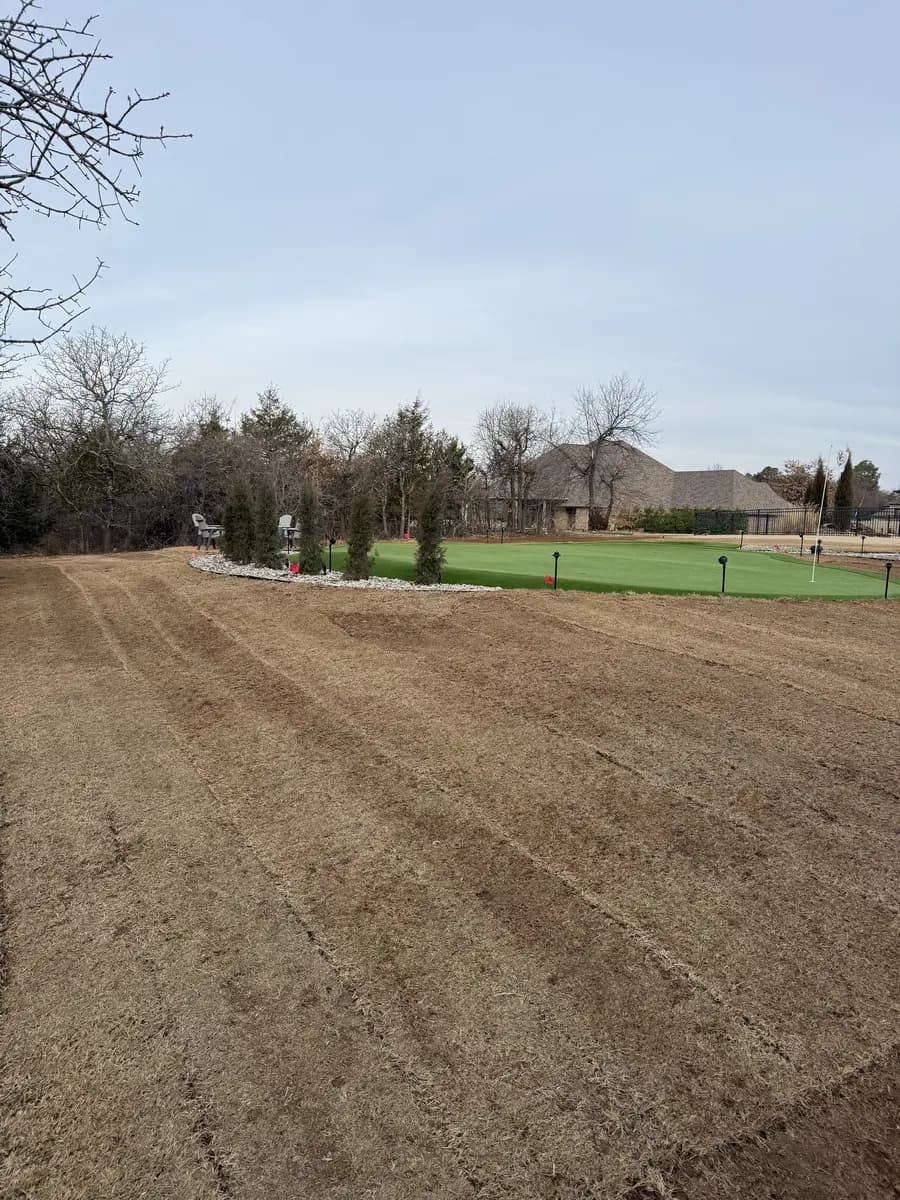
What to expect
Successful seeding depends on more than scattering seed. Turf type, soil contact, irrigation, temperature, and follow-up care determine whether new grass becomes established.
We evaluate why the area is thin before recommending seed. Compaction, shade, drainage, traffic, or irrigation problems may need to be addressed so the new growth has a better chance to last.
For tall fescue lawns in the Oklahoma City metro, late September and October are generally the preferred seeding window. Bermudagrass follows a different schedule: establish seeded bermudagrass during warm weather with time to root before winter, rather than treating fall as a universal seeding season. Grass type, site conditions, and a workable watering plan come first.
When requesting a seeding quote, include the property address, approximate area, existing grass type if known, sun or shade conditions, and how the area will be watered. Tell us about recent weed-control treatments so the seeding plan can account for product-specific restrictions.
Further reading: OSU Extension: Establishing a Lawn in Oklahoma
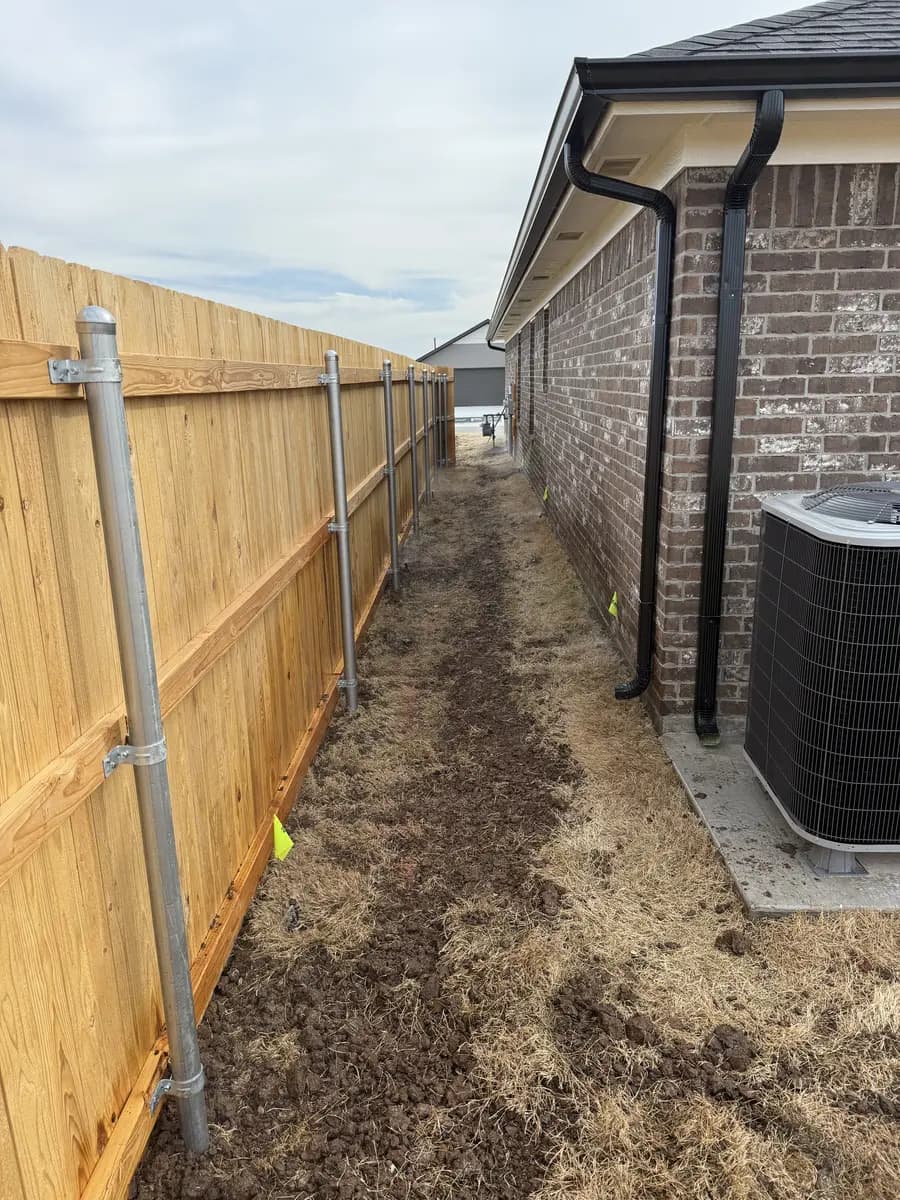
Why it matters
Final recommendations, included areas, timing, and pricing are documented in the property-specific quote.
On the job
Real Greenline project photography, with captions that describe exactly what is shown at Oklahoma properties.
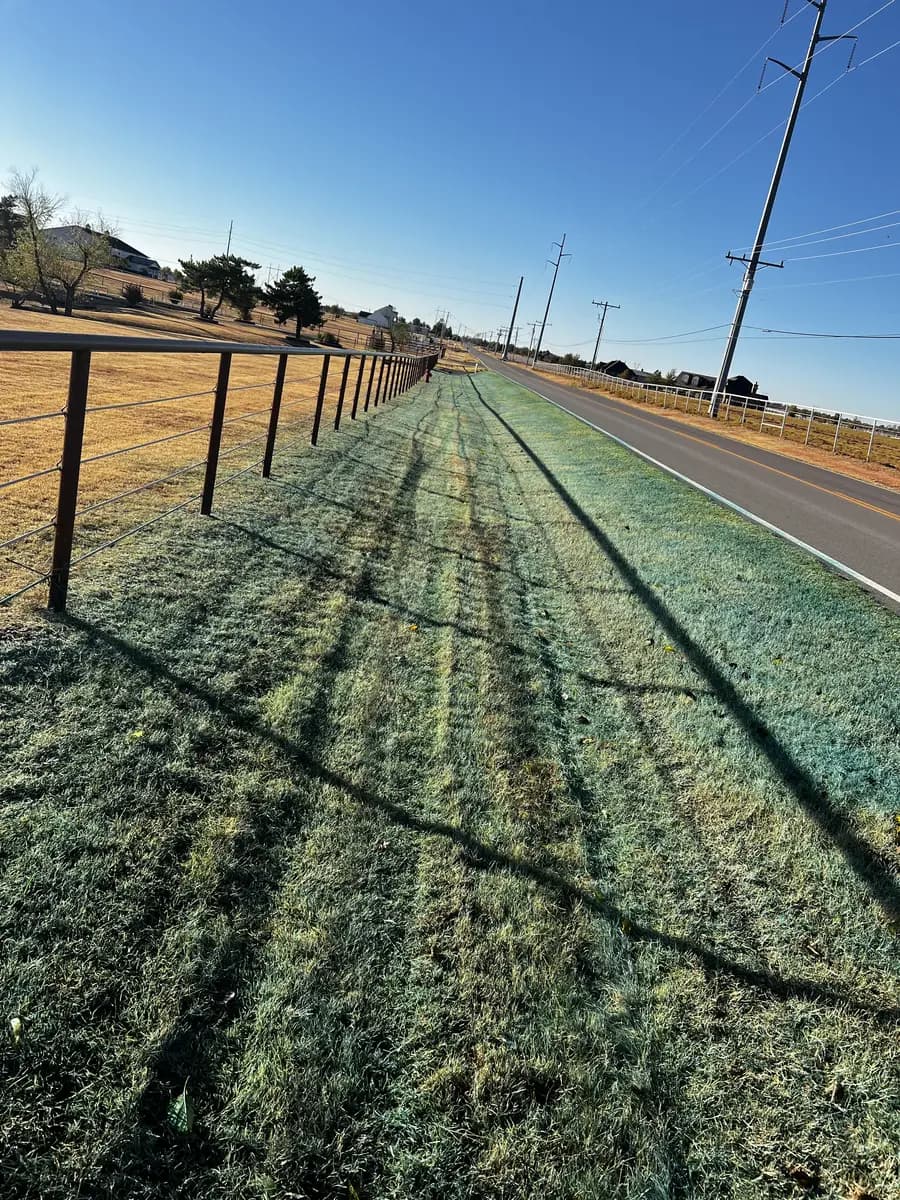
Our process
We define the property, the service, and the expectations before work begins.
We inspect thin areas and consider shade, soil, water, traffic, and turf type.
The site is prepared to improve seed-to-soil contact and establish even coverage.
Clear watering and mowing guidance helps seedlings become established.
Common questions
Straight answers for Oklahoma City property owners planning service.
For tall fescue and other cool-season grasses, OSU Extension identifies late September and October as the ideal window. Seeded bermudagrass needs warm growing conditions, typically starting in May, and most varieties should be seeded by July 1. Weather, grass variety, soil conditions, and watering access determine the plan for your property.
Often, yes. Aeration can improve soil access and seed contact, especially where compaction is contributing to thin turf.
Germination time varies by seed, soil temperature, moisture, and weather. Consistent watering is especially important during establishment.
More home services
Start with your property
Send the property address and service details. Greenline will review the request and follow up with the right next step.